

Sleep and PCOS: How I Protect My Hormones Even with a Busy Schedule
When you live with PCOS, sleep is not just rest. It is hormone support.
Many women with Polycystic Ovary Syndrome notice that poor sleep makes symptoms worse. Fatigue increases, cravings get stronger, mood swings appear, and blood sugar becomes harder to manage.
Research suggests that sleep can influence insulin resistance, cortisol levels, and hormonal balance. These are all key factors in PCOS.
As a work-from-home mom, protecting sleep is not always easy. Between family duties, house chores, pets, and client work, the day can fill up quickly.
But over time I learned something important: when my sleep improves, my PCOS symptoms improve too.
Here is a realistic look at my daily rhythm and how I protect my sleep even with a busy schedule.
Why Sleep Matters for PCOS
Sleep plays a bigger role in hormone balance than many people realize.
Women with PCOS often struggle with:
- insulin resistance
- elevated cortisol (stress hormone)
- fatigue and low energy
- disrupted circadian rhythm
Poor sleep can worsen these issues.
Lack of rest may lead to:
- higher blood sugar levels
- increased cravings
- more fatigue and brain fog
- difficulty regulating hormones
This is why many doctors recommend improving sleep as part of a holistic PCOS management plan.
For me, protecting sleep starts with structuring my day.
Morning Routine: Family Comes First
My mornings start early, but not with a long wellness routine.
Instead, they begin with mom duties.

I prepare breakfast and lunch for my daughter before sending her off to school. Since I’m not much of a breakfast person, I usually keep things simple for myself. Most mornings I just eat cereal oats or something light.
Whatever I prepare for my daughter often becomes my lunch later.
Once she leaves, I spend some time doing household chores:
- light cleaning
- laundry
- organizing small things around the house
This helps me start the day feeling productive without rushing.
Focused Work Hours
Around 10 or 11 AM, I start my workday.
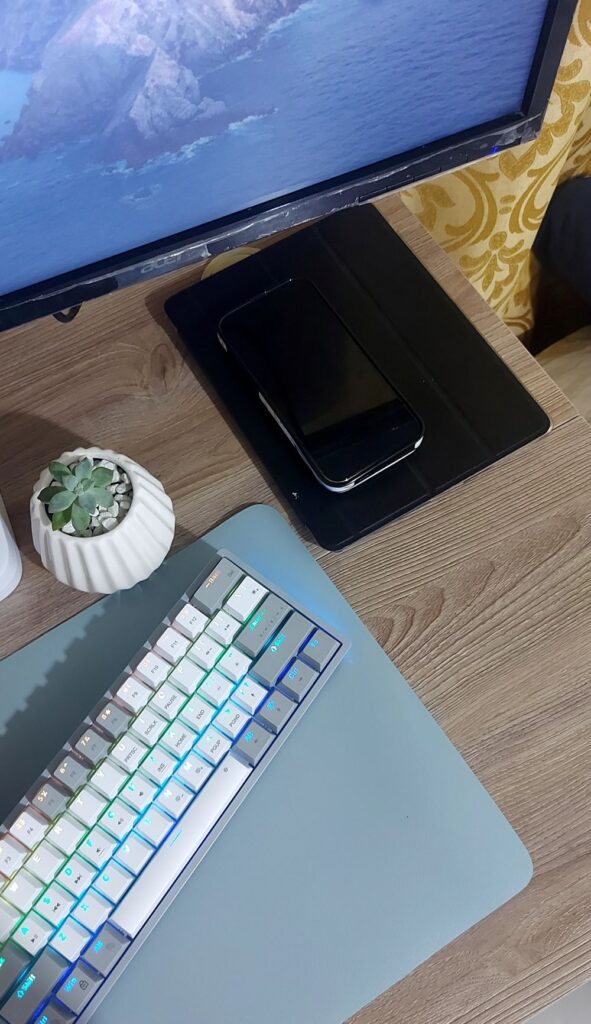
Because I work from home, I try to keep my work schedule focused and structured. I usually aim for 4 to 5 hours of concentrated work.
This window is long enough to complete client tasks but short enough to avoid burnout.
For women with PCOS, stress management is important. Long work hours and high stress can increase cortisol, which may worsen hormonal imbalance.
By keeping my work hours contained, I protect both my productivity and my hormones.
Afternoon Routine: Family, Pets, and Slowing Down
At around 4 PM, I leave to pick up my daughter from school.
Afternoons become family time again. The house gets busy with normal routines like:

- preparing dinner
- feeding our pet dogs
- taking care of our little parakeets
But these small moments also help reduce stress.
Spending time with pets and family naturally lowers stress levels and helps regulate cortisol.
Some of our favorite evening moments include:
- chatting outside while checking on our parakeets
- watching Netflix together
- listening to my daughter practice piano
These simple activities create calm moments in the day, which support both mental health and hormone balance.
My Go-To Supplements for PCOS Support
Alongside lifestyle habits, I also rely on a few supplements that support my energy and hormonal balance. If you’re curious about the full list of what I currently take, I share my complete PCOS supplement routine here.
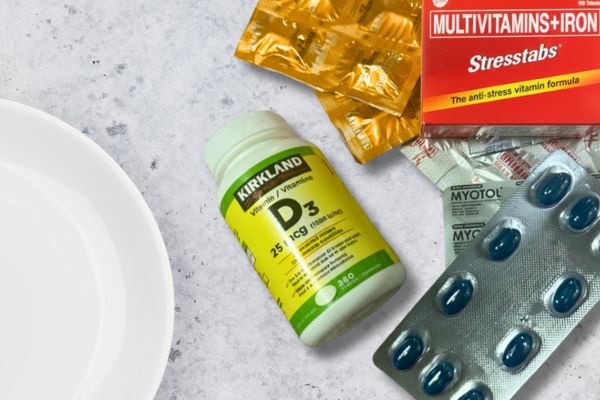
Myo-Inositol
One of the most well-studied supplements for PCOS is Myo‑Inositol.
Many women with PCOS take it to help support:
- insulin sensitivity
- hormonal balance
- regular menstrual cycles
I usually take my Myo-Inositol in the morning with my oats.
B-Complex or Stress-Support Supplements
Working from home while managing family life can sometimes raise stress levels.
A B-Complex supplement helps support energy and nervous system health. Some days I alternate this with fish oil.
These supplements are not miracle cures. Instead, they are supportive tools that complement healthy habits.
Evening Routine: Protecting My Sleep Window
Evenings are when I begin to slow down intentionally.
Once my husband arrives home, we spend time together as a family. Dinner, conversation, and relaxing activities help signal that the day is ending.
Our goal is to be in bed around 10 PM, with 11 PM being the latest.
Here are a few habits that help me protect my sleep.
Consistent Bedtime
Going to bed at roughly the same time each night helps regulate the body’s internal clock.
Wind-Down Rituals
Simple routines like quiet family time, caring for pets, or listening to my daughter practice piano help my body relax.
Limiting Late-Night Work
Because I focus my work hours earlier in the day, I rarely need to work late at night.
This reduces stress before bedtime.
Reducing Screen Time
Avoiding screens close to bedtime helps my brain prepare for sleep.
My Realistic PCOS Routine
My routine is not perfect. Some days are busier than others.
But structuring my day like this helps me support my hormones in realistic ways:
- Morning family routine
- focused work hours
- afternoon family and pet time
- evening wind-down
- consistent sleep schedule
For women managing PCOS, sleep is one of the most powerful lifestyle tools we have.
Final Thoughts: Sleep Is Hormone Care
Managing PCOS is often discussed in terms of diet, supplements, or exercise.
But sleep is just as important.
Protecting sleep helps support:
- insulin balance
- cortisol regulation
- energy levels
- mood and mental clarity
For me, building a daily rhythm that supports rest has been one of the most helpful habits in managing PCOS while working from home.
Sleep is not a luxury.
For women with PCOS, it is a daily investment in hormone health.
💡 Tip for Work-From-Home Moms with PCOS
Focus on routine rather than perfection. Even small sleep-friendly habits—like going to bed at a consistent time, creating a simple wind-down routine, and keeping work hours structured—can make a noticeable difference in energy and hormone balance.
Supplements can also provide gentle support. Women with PCOS commonly use options like Myo-Inositol and a stress-support B-Complex to help support insulin balance, energy, and stress management.