Digital Fatigue & PCOS: Why Your Eyes Feel More Tired Than Others
Working from home has its perks: no commute, comfy clothes, and coffee on demand—but it also comes with its hidden challenges.
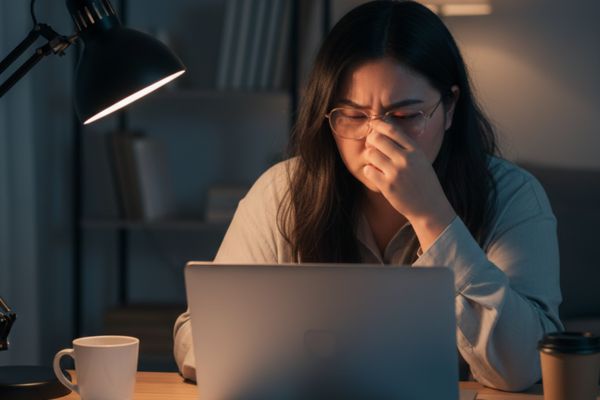
One of the biggest? digital fatigue, especially if you have PCOS. If you wear glasses like me and notice that after hours on your laptop, monitor, or phone your eyes feel dry, gritty, or sometimes teary, you’re not imagining it. From my personal experience, these issues seem to get worse with hormonal changes, and following what my OB recommends, plus regular optical check-up,s has helped me manage them better.
Here’s what I’ve learned about taking care of your eyes while keeping your energy up during long WFH days.
1. Why PCOS Can Make Eye Strain Feel Worse
Many women with PCOS, including myself, notice dry or irritated eyes without realizing it could be linked to our hormones. Just like hormones affect hair, skin, and energy, they can also influence the tear film, the thin layer of moisture that keeps our eyes comfortable.

Combine that with long hours in front of screens, and you get digital fatigue: when we focus on a screen, our blink rate drops by about 50%–66%, meaning our natural tears evaporate faster. For someone like me, whose eyes already feel more sensitive at certain times, this leads to that gritty, sometimes teary feeling by mid-afternoon.
I’m not a medical professional, but following my OB’s advice and keeping up with eye exams has helped me better understand and manage these effects.
2. The Updated 20-20-20-20 Rule
You may have heard of the 20-20-20 rule: every 20 minutes, look 20 feet away for 20 seconds. From my experience, adding one more step makes it even more helpful: blink 20 times.
Every 20 minutes:
- Look 20 feet away.
- For 20 seconds.
- Blink 20 times.
Intentional blinking helps keep the oil glands in the eyelids functioning properly and prevents the tear film from drying out. I like to combine this with a short walk or stretch—it feels like a mini reset for both my eyes and energy.
3. Setting Up a Comfortable Workspace
Even small changes to your desk setup can make a big difference:
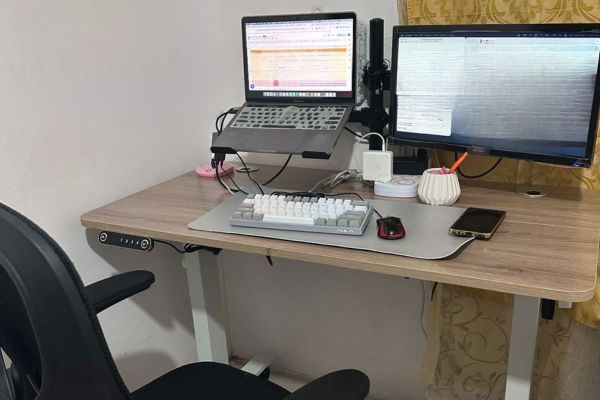
- Monitor Height: Keep the top of your screen at or slightly below eye level. Looking up makes your eyes open wider, which can dry them out faster.
- Warm Compresses: During short breaks, putting a warm cloth over your eyes feels refreshing and helps soften the oils in your eyelid glands.
- Reduce Glare: Anti-glare screens or soft lighting work better than just worrying about blue light. Less glare means less squinting and tension around the eyes.
- Lighting: Soft, indirect lighting near a window or lamp reduces strain on the eyes.
Even with glasses, these adjustments help my eyes feel lighter and more comfortable by the end of the day.
4. Nutrition and Hydration for Eye Comfort
I’ve noticed that what I eat and drink affects both my PCOS symptoms and eye comfort:
- Omega-3s: Chia seeds, walnuts, or fish oil seem to help reduce inflammation and improve eye moisture.
- Hydration: Pairing mini walks (3,000–6,000 steps daily) with a glass of water keeps both my eyes and body feeling better.
- Fruits and Veggies: Bright vegetables and leafy greens support tear production and overall wellness.
- Limit Sugary Foods: Reducing sugar helps my PCOS symptoms, which indirectly seems to make my eyes feel less irritated.
5. Small Habits That Make a Big Difference
- Gentle Movement: Exercise doesn’t always mean workouts. For me, it’s household chores like laundry, cooking, cleaning, and light walking—that keep me moving throughout the day.
- Screen Breaks: Limiting multitasking across devices prevents my eyes from working overtime.
- Sleep: Getting enough rest is essential; well-rested eyes feel less dry and irritated.
- Mindful Pauses: When I need a break, I pause by either closing my eyes, stepping into my little garden to check on my plants, or spending a few minutes with our parakeets. Sometimes I even play with them for a bit—it helps my eyes rest and diverts me from stress, which makes a surprising difference by the end of the day.
Key Takeaways
- PCOS can make digital fatigue worse: Hormonal changes may affect tear production, making eyes more sensitive.
- Blink intentionally: The 20-20-20-20 rule works wonders for refreshing tired eyes.
- Workspace matters: Adjust screen height, glare, and lighting for comfort.
- Support from diet and hydration: Omega-3s, water, and antioxidant-rich foods can help.
- Gentle habits are enough: Walk, rest your eyes, and take mindful pauses to reduce strain.
Even with glasses, overexposure to screens can leave your eyes dry, gritty, or teary. By combining small lifestyle changes, eye-friendly workspace tweaks, hydration, and following my OB’s advice,
I’ve been able to reduce digital fatigue and keep working comfortably. It’s not about avoiding screens entirely—it’s about working smart, listening to your body, and caring for your eyes in ways that feel natural and enjoyable.